
Our Services
*WE USE A PRECISE CUTTING SOFTWARE, SO A KNIFE NEVER TOUCHES YOUR WINDOW
Our top tier Graphtec Plotter FC9000 to provide unmatched precision, efficiency, and consistency, delivering perfect, complex cuts that are difficult by hand, speeding up installations, and ensuring a professional finish for our customers.

Frequently Asked Questions
- What is the difference between Carbon and Ceramic window film?
-
Ceramic tint uses advanced technology for superior heat rejection, better clarity, and longer durability while carbon tint uses carbon particles for excellent UV/IR blocking at a lower cost, typically with a matte finish.
- Do I need to wait to roll my windows down?
-
We recommend that you leave your windows rolled up for at least 48 hours after installation. This allows the film to cure and adhere to the glass before the window is moved.
- Do I need a darker film to get better heat rejection?
-
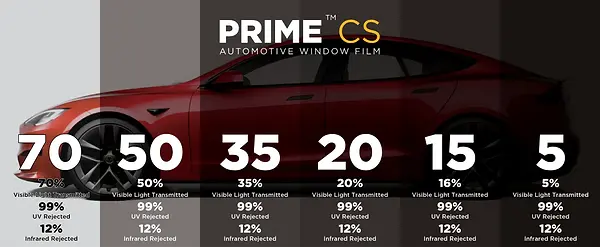
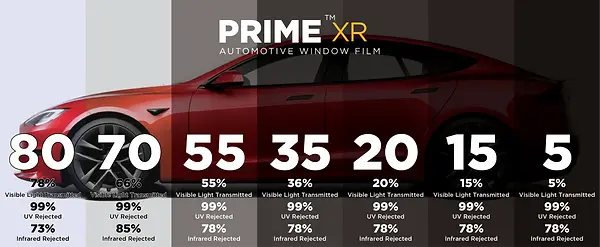
It depends on your choice of film. A standard dyed and carbon film offer more heat rejection with darker window film percentage, whereas premium ceramic film offers superior heat rejection even at lighter shades.
-Is window tint applied to the interior or exterior of the window?
-
Window tint is normally applied to the interior of the window for increased durability. However, our windshield protection film (WPF) is applied to the exterior as it protects the windshield from cracks and chips. The WPF is transparent and offers all ceramic qualities.
- Is tinting your car windows worth it?
-
Absolutely! In addition to blocking out 99% of harmful UV rays automotive window tint can boost your privacy and protection. It will also keep your car's interior from fading and enhances your comfort by reducing excess cabin heat.
- Can tinted windows be re-tinted?
-
If your tint gets damaged, we can remove the old film and reinstall the new tint.
-Can tinted windows affect car insurance?
-
Generally, tinted windows to not affect your car insurance premiums directly. However, non-compliance with state laws can lead to fines that might indirectly impact your insurance over time if violations are frequent or subsequent.